
Elisabetta Zamparutti is a prominent leader of “Hands Off Cain”, the association behind the approval of the Resolution calling for a universal moratorium on capital executions by the UN General Assembly. She has been a member of the Italian Chamber of Deputies from 2008 to 2013.
Elisabetta Zamparutti is committed in her country, Italy, to reform of the aggravated form of life imprisonment, as well as to to abolish of the 41bis regime of solitary confinement, for those indicted or sentenced for Mafia and other criminal organisations.
She is daily committed to monitor prison conditions to prevent torture and inhumane and degrading punishments and treatments. In 2013, Elisabetta Zamparutti visited 120 out of the 189 Italian prisons. Elisabetta Zamparutti is member of the CPT in respect of Italy since 2016.
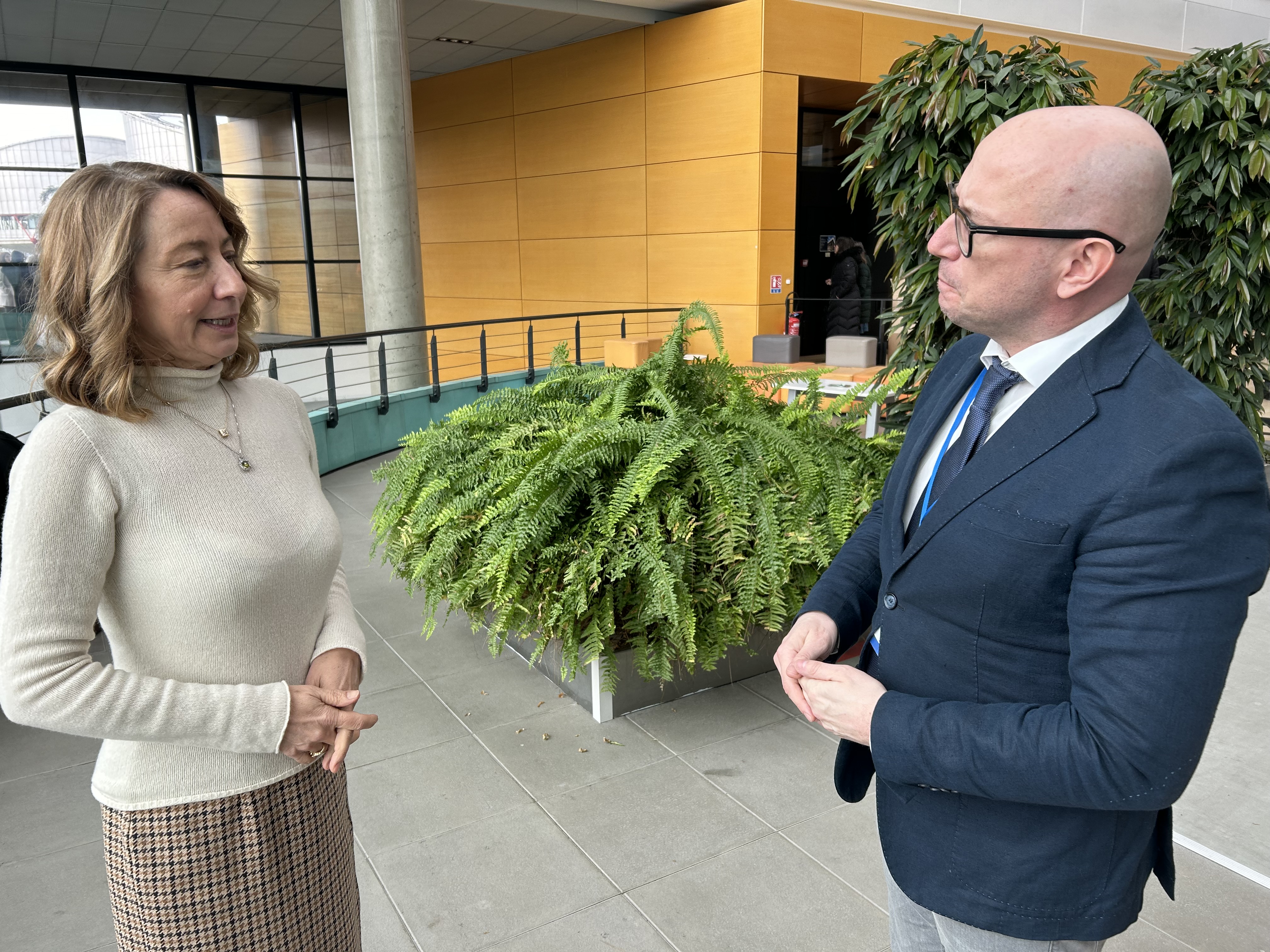
D.Y. Dear Elisabetta, your name is among others the most famous human rights defenders and activists not only in Europe but around the world. Please tell us what are you currently doing in the sphere of prison reform and human rights protection in prisons?
E.Z. I am currently the treasurer of “Hands Off Cain”, the NGO behind the approval of the UN General Assembly calling for a universal moratorium on capital executions with a view to its abolition.
The name “Hands Off Cain” is inspired by Genesis. The first book of the Bible includes not only the phrase “an eye for an eye” but also “And the Lord set a sign for Cain, lest any finding him should smite him”.
“Hands Off Cain” stands for justice without vengeance. The idea of a justice without revenge guided me in the campaign against the death penalty and in favour of a universal moratorium established by the UN General Assembly with the resolution approved in 2007.
In the text of this resolution, there is a paragraph saying that “a moratorium on the use of the death penalty contributes to respect for human dignity and to the enhancement and progressive development of human rights”.
Well, I am now committed not only to abolishing the death penalty but also to enhancing the sphere of respect for human dignity of each human being before the State. Especially for those deprived of liberty.
Because there is not only the problem of the death penalty when a State physically suppresses a human being because of the crime committed.
There is also the problem of the life imprisonment when a State suppresses from the civil context a human being for the rest of the life. This entails, beyond stopping executions, a battle for democracy, for respect of the rule of law and for the enhancement and progressive development of human and political rights and civil liberties.
In that sense, I think that there should be a change of paradigm in the sphere of prison reform and human rights protection in prisons where the punitive dimension is still prevalent. Prisons are not only places of deprivation of liberty. They are places of deprivation of all the sense, a form of corporal punishment. So, I think, with Gustav Radbruch, a German legal philosopher, that more than a better criminal law, we need something better than the criminal law and its appendix, which is the prison.
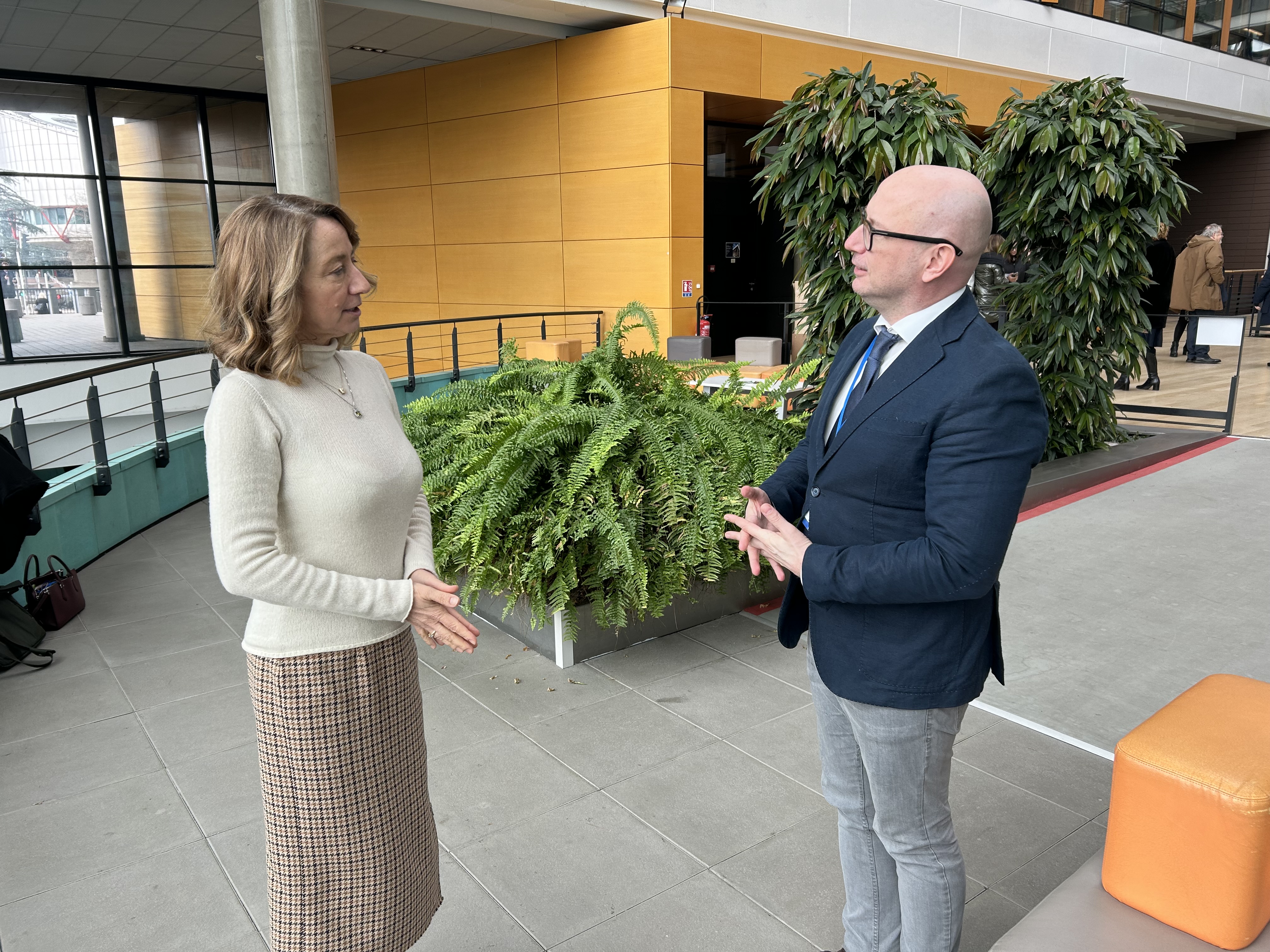
D.Y. How the moratorium affects the sentencing policy?
E.Z. The moratorium can be viewed as a meeting point between abolitionists and retentionists. It allows retentionist States to take a step towards abolition, and the abolitionists can help spare the lives of thousands of people. History has shown that after one, two or three years of moratorium, it is difficult for a State to resume executions, and the move often paves the way for complete abolition. 98% of the total executions worldwide are carried out in illiberal countries such as China, Iran and Saudi Arabia.
“Hands Off Cain” believes the definitive solution to the death penalty problem is to be found in these countries, and more than the death penalty itself, it concerns democracy, the rule of law, and human rights. It is true that the affirmation of democracy does not, in itself, signify abolition, as the United States exemplifies. It is equally true that only in a democratic system can abolition be conceived of and stand the test of time. Dictators can decree abolition overnight and equally swiftly re-establish the death penalty.
D.Y. Why is the abolition of the death penalty so important in the XXI century?
E.Z. In that respect, since the turn of the millennium, the world has been facing a global threat that undermines peace and security, sustainable development, human rights, and the Rule of Law. No country or region is immune from this. In this global state of emergency, emergency laws and measures have been adopted, including resuming the death penalty, that are in breach of their international obligations and the Rule of Law.
In my country, Italy, this policy has been in place since the 1990’s due to mafia attacks and persists despite decades of special and emergency regimes.
The result is that special/emergency regimes are now ordinary. I strongly believe that the strength of the Rule of Law and internationally agreed human rights norms are judged by whether they hold up in times of crisis when it is most tempting to ignore them in favour of a security-minded approach.
D.Y. Which arguments do you have for the ‘incorrigible’ proponents of the death penalty?
E.Z. Any state of emergency, in my view, should be an extension of the rule of law, not its abrogation! In working towards ending impunity and injustice, which undermine political stability or transition, we must be vigilant that any measures taken by States are respectful of the rule of law and consistent with their obligations under international law and the Constitution. Certain rights are non-derogable even in times of public emergency that threaten the life of a nation.
There are many arguments to convince proponents of the death penalty, as all of those asking for retributive sanctions. There is the risk of killing an innocent, the death penalty is not a deterrent. However, the more convincing argument for me is that the man of the penalty may be different from the one who committed the crime. None may be totally identified and crystallised in the crime committed. During the time spent in prison it is possible to acknowledge the evil which has been, and it is always possible to change. The European Court of Human Rights has recognised, in cases of life imprisonment without parole, the right to hope as a fundamental human right.
Because also those who commit the most serious acts and who inflict untold suffering upon others, nevertheless, retain their fundamental humanity and carry within themselves the capacity to change. In that sense, the right to hope is a crucial benchmark for how people in prison are treated and how often their humanity is denied.
The ‘hope standard for punishment’ would require us to rethink the deliberately harmful expectations and practices which shape the current criminal justice system, instead taking the fundamental humanity of people in prison as a starting-point. Talking about hope can help us to understand the scale of the change which is needed, and the inhumanity of leaving things as they are.
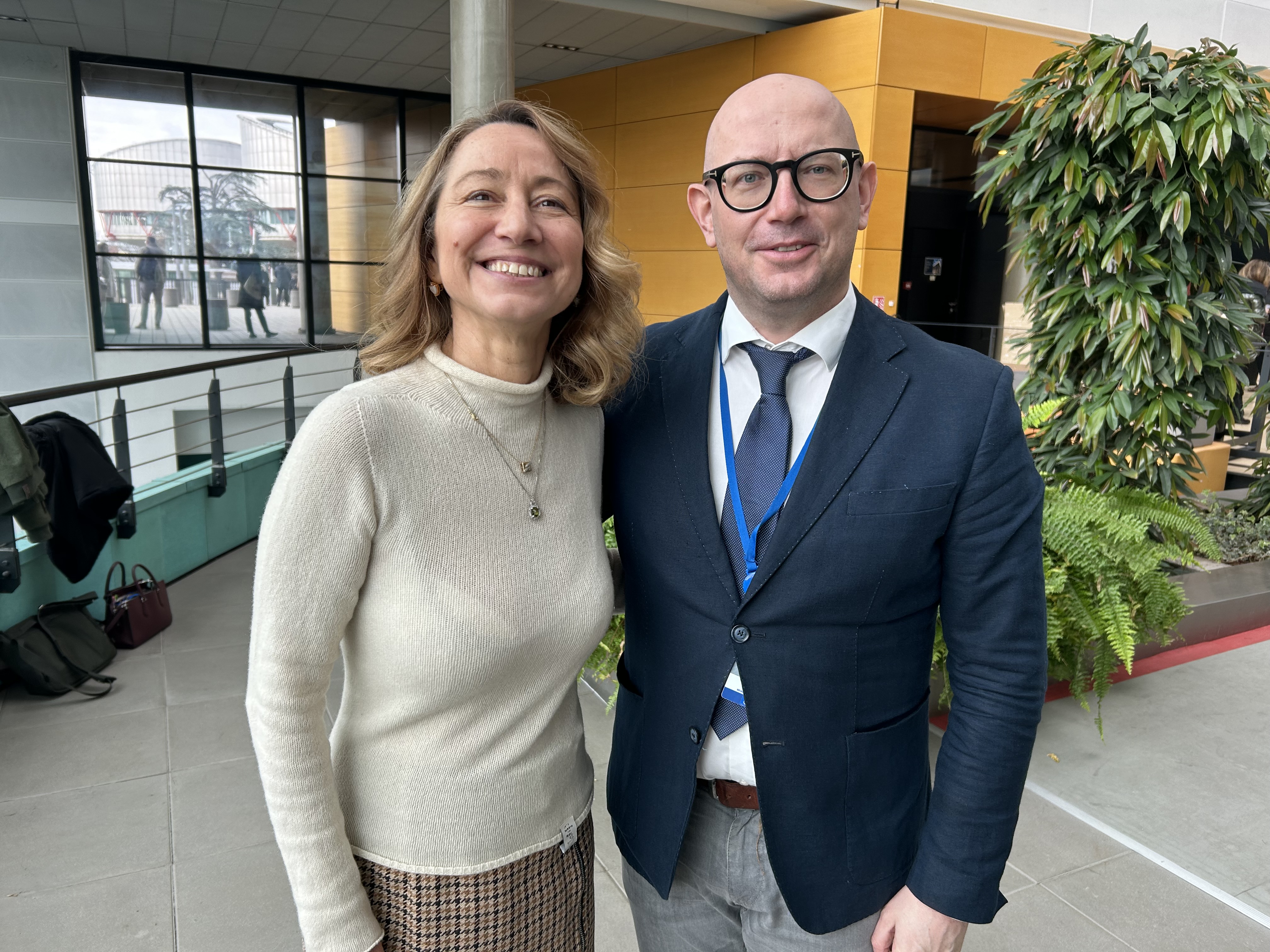

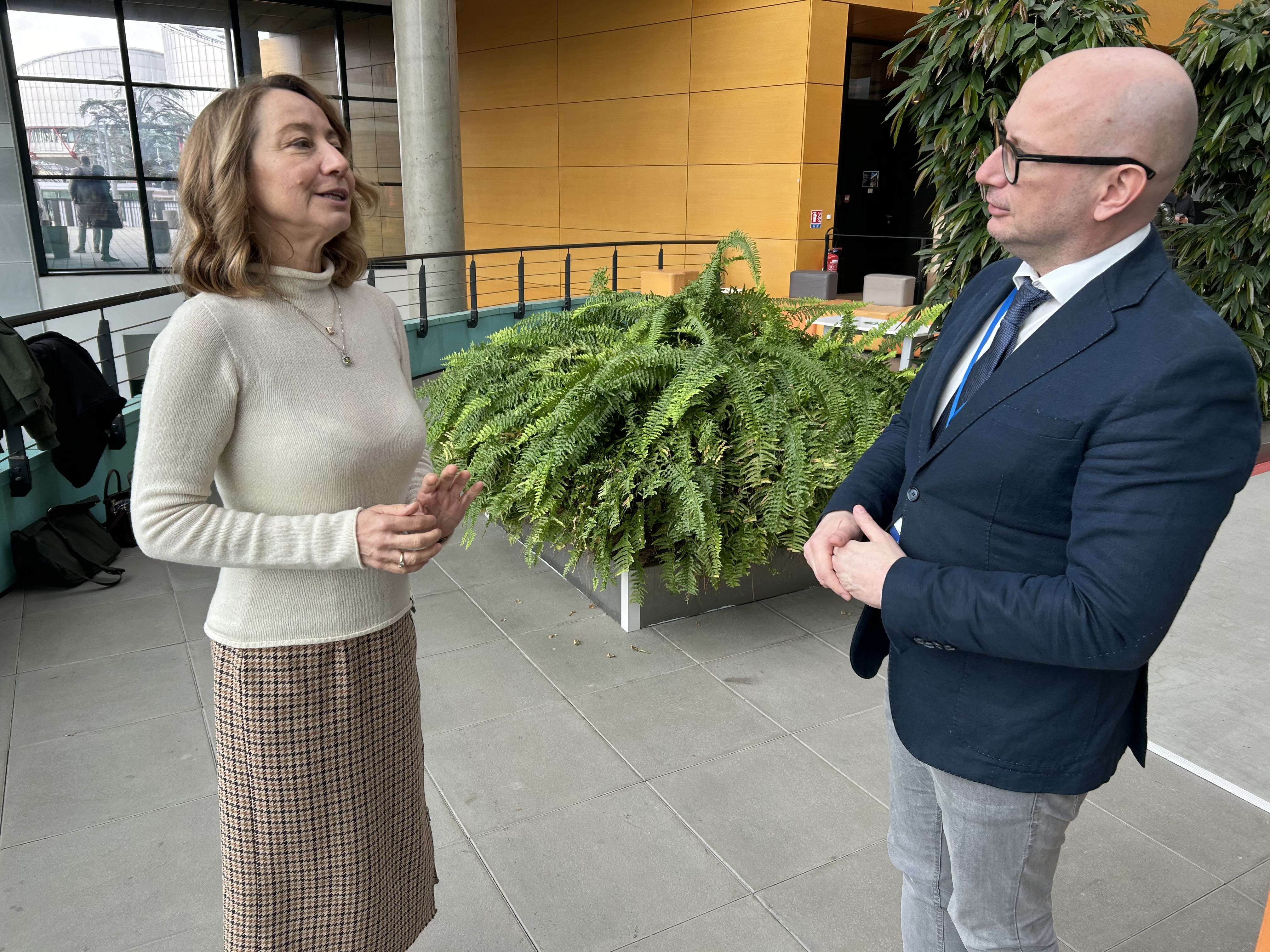
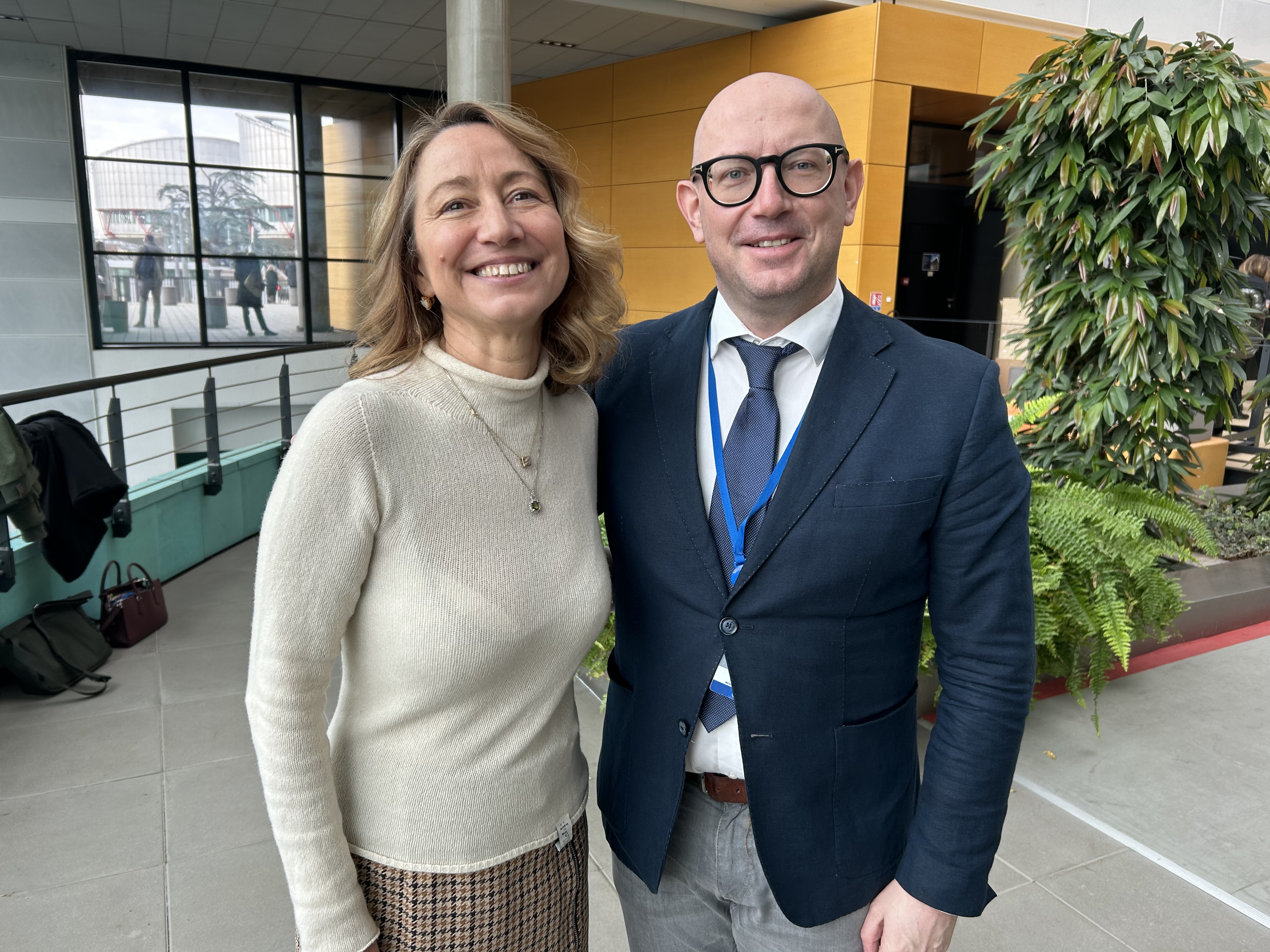

 Dmytro Yagunov