
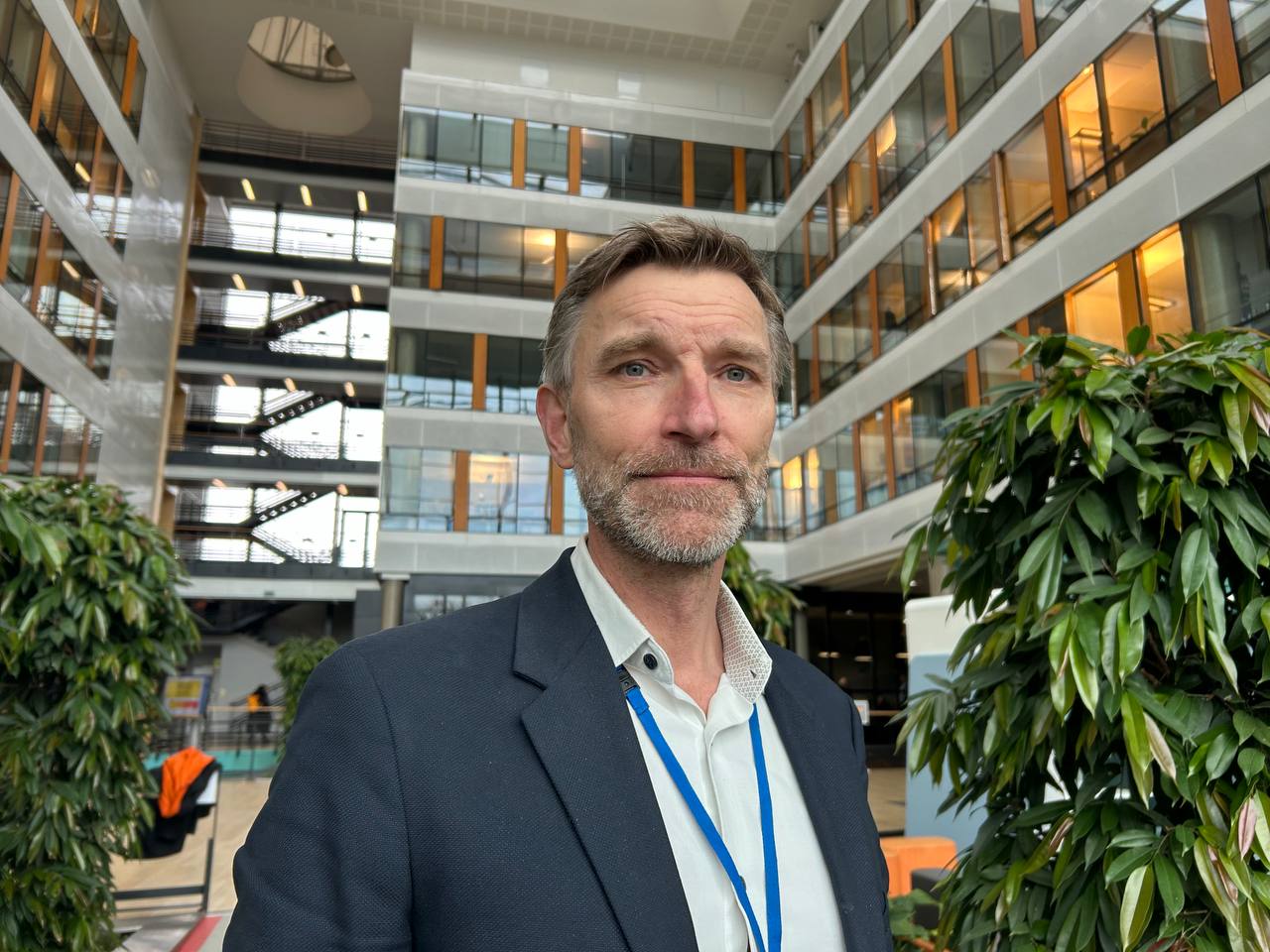
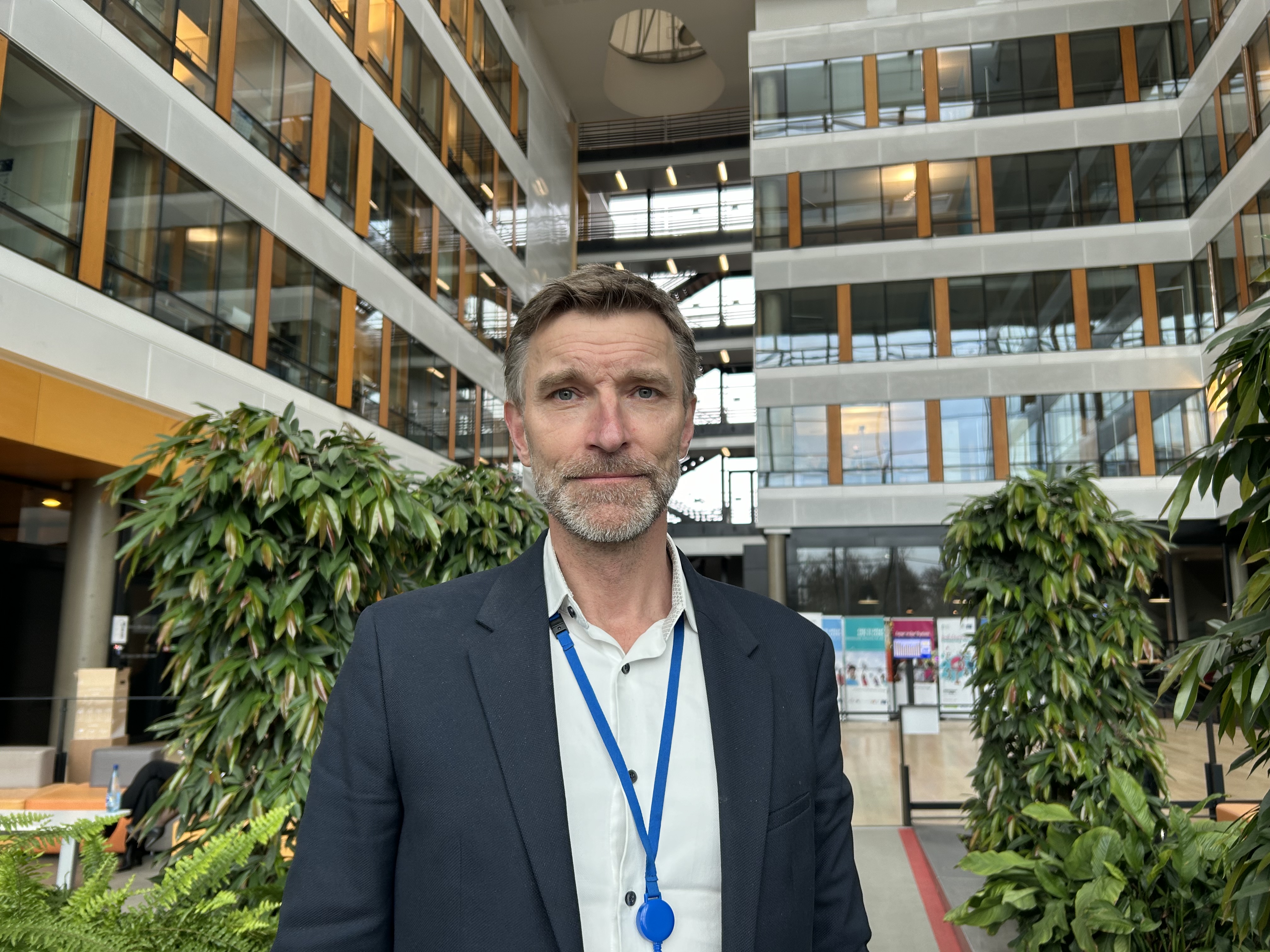
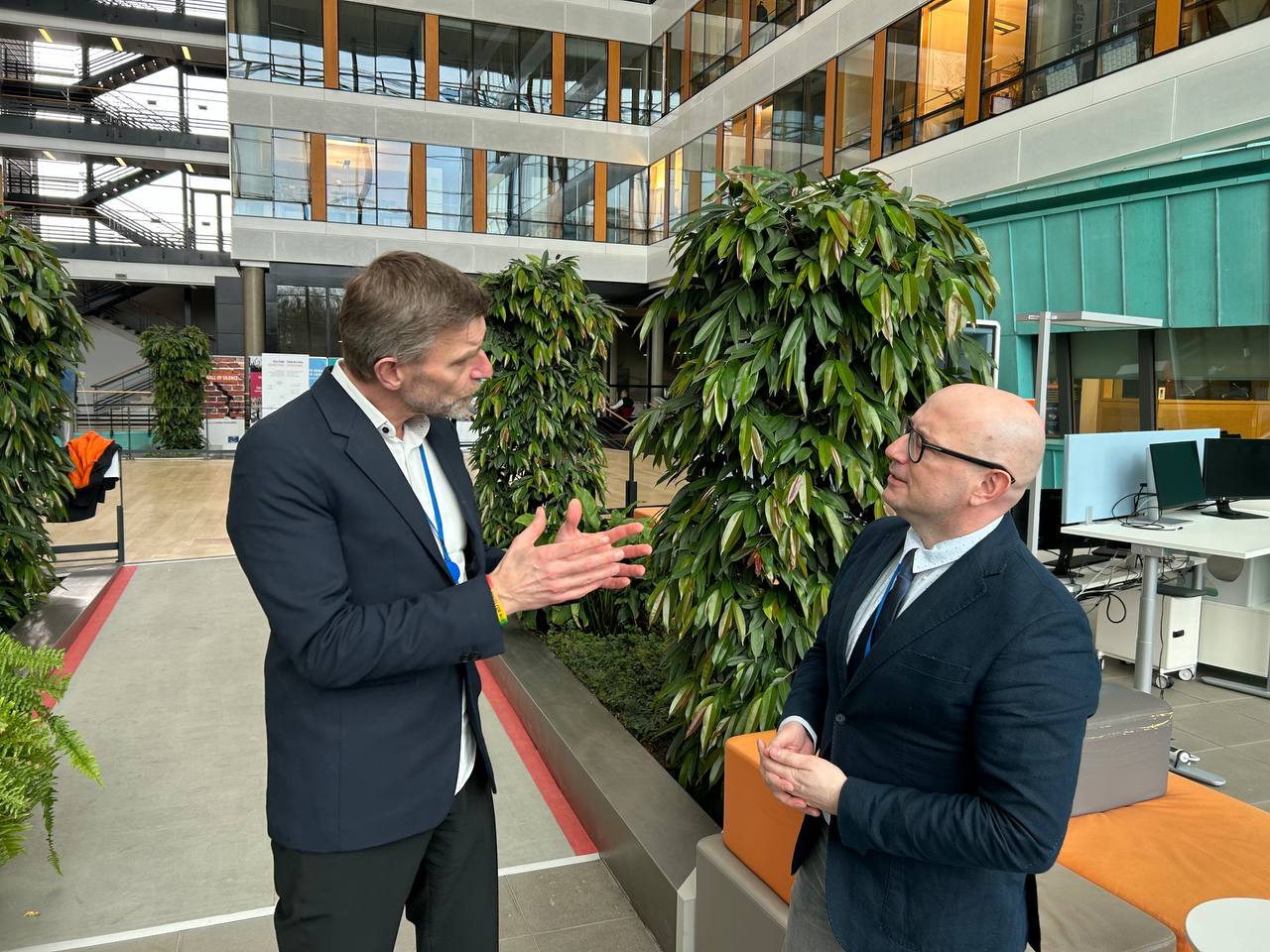
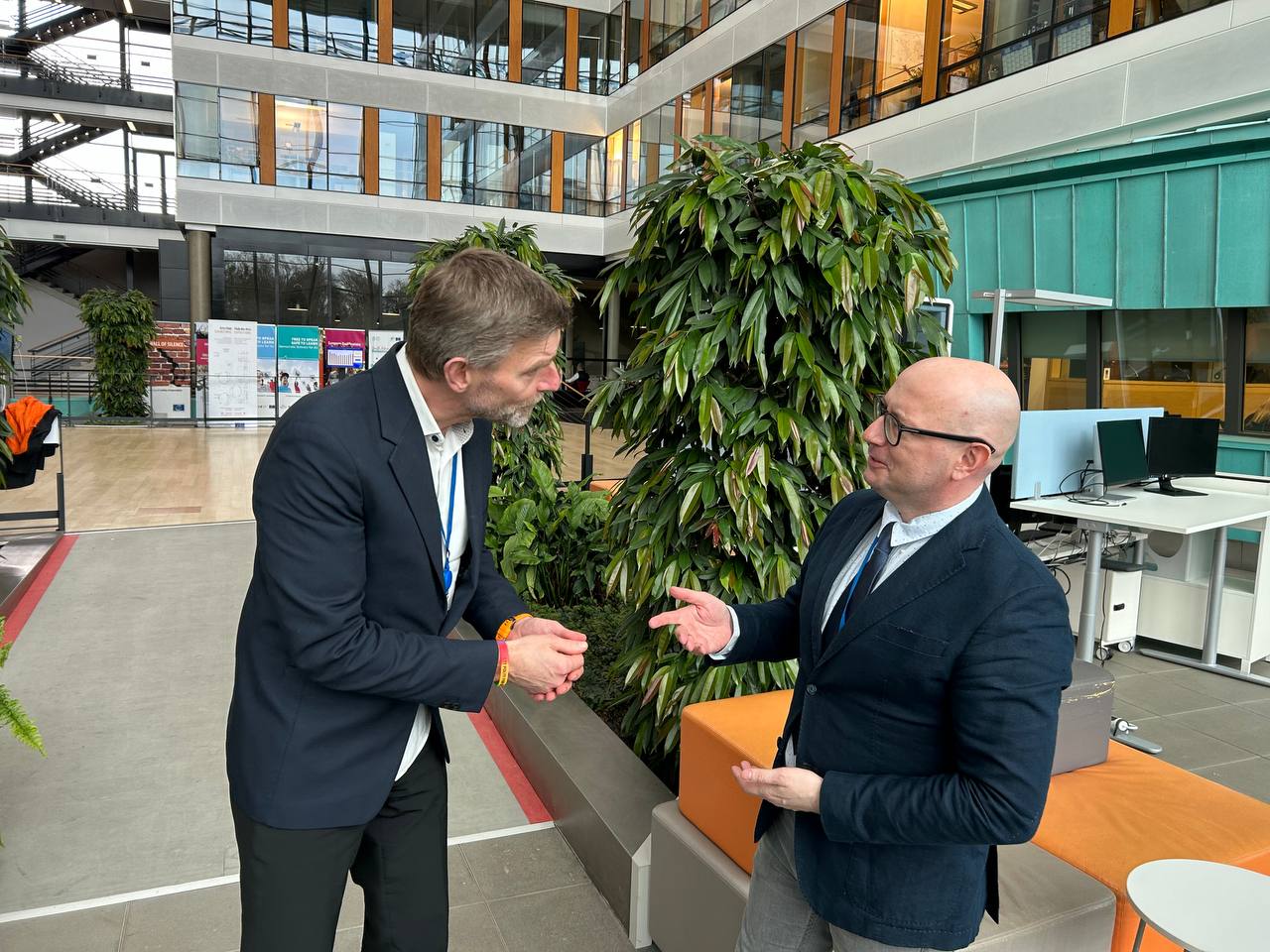
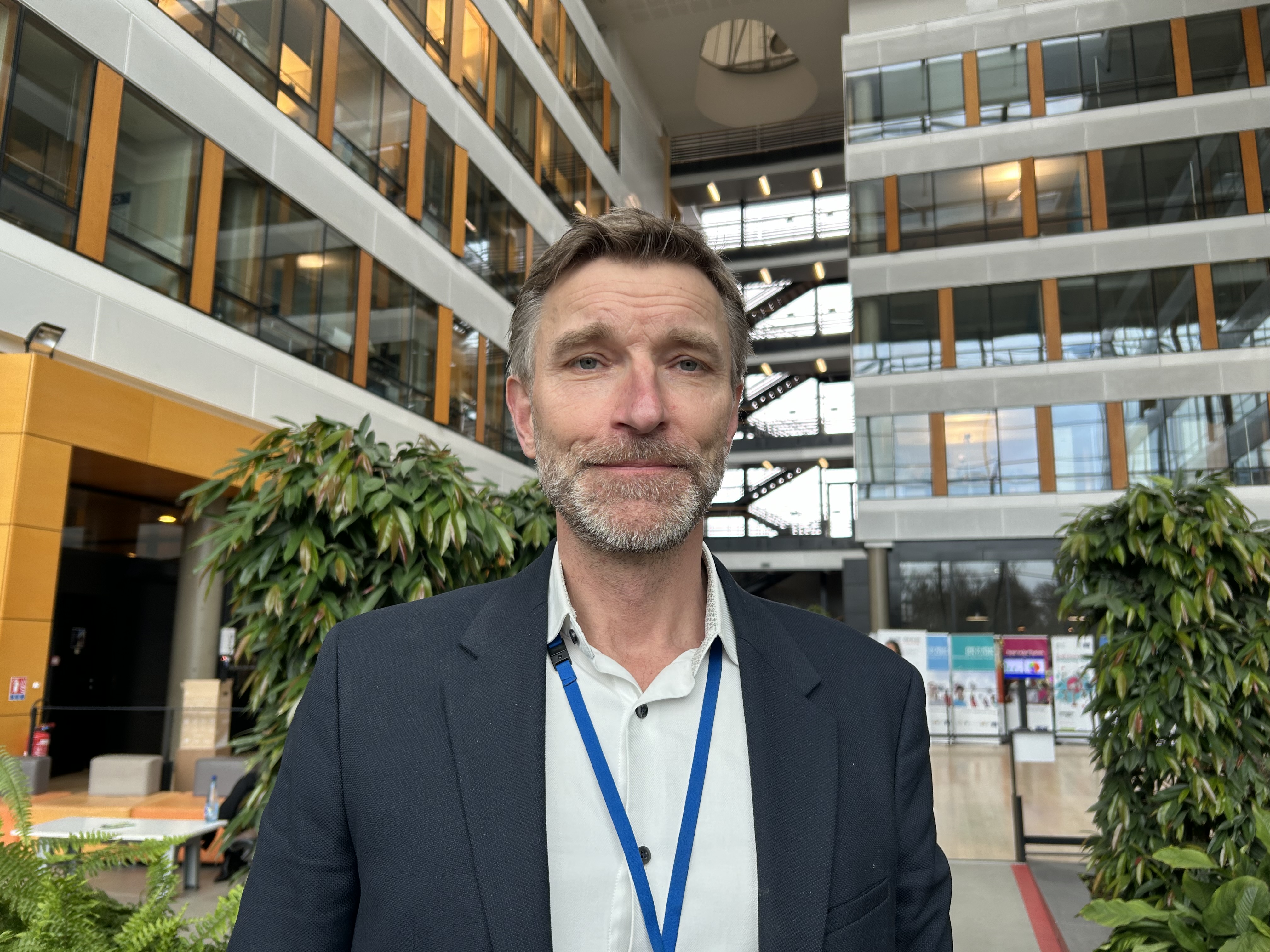
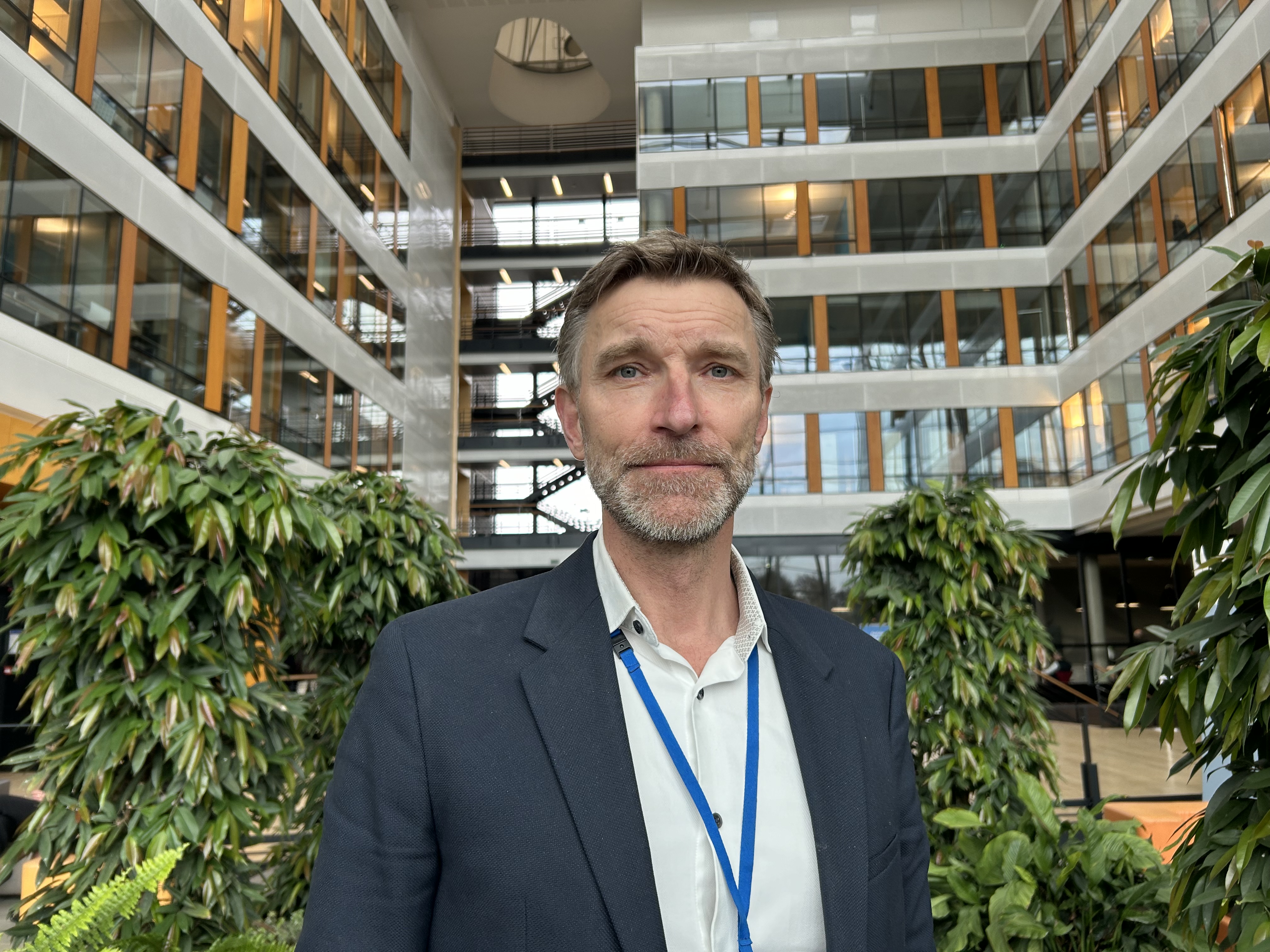
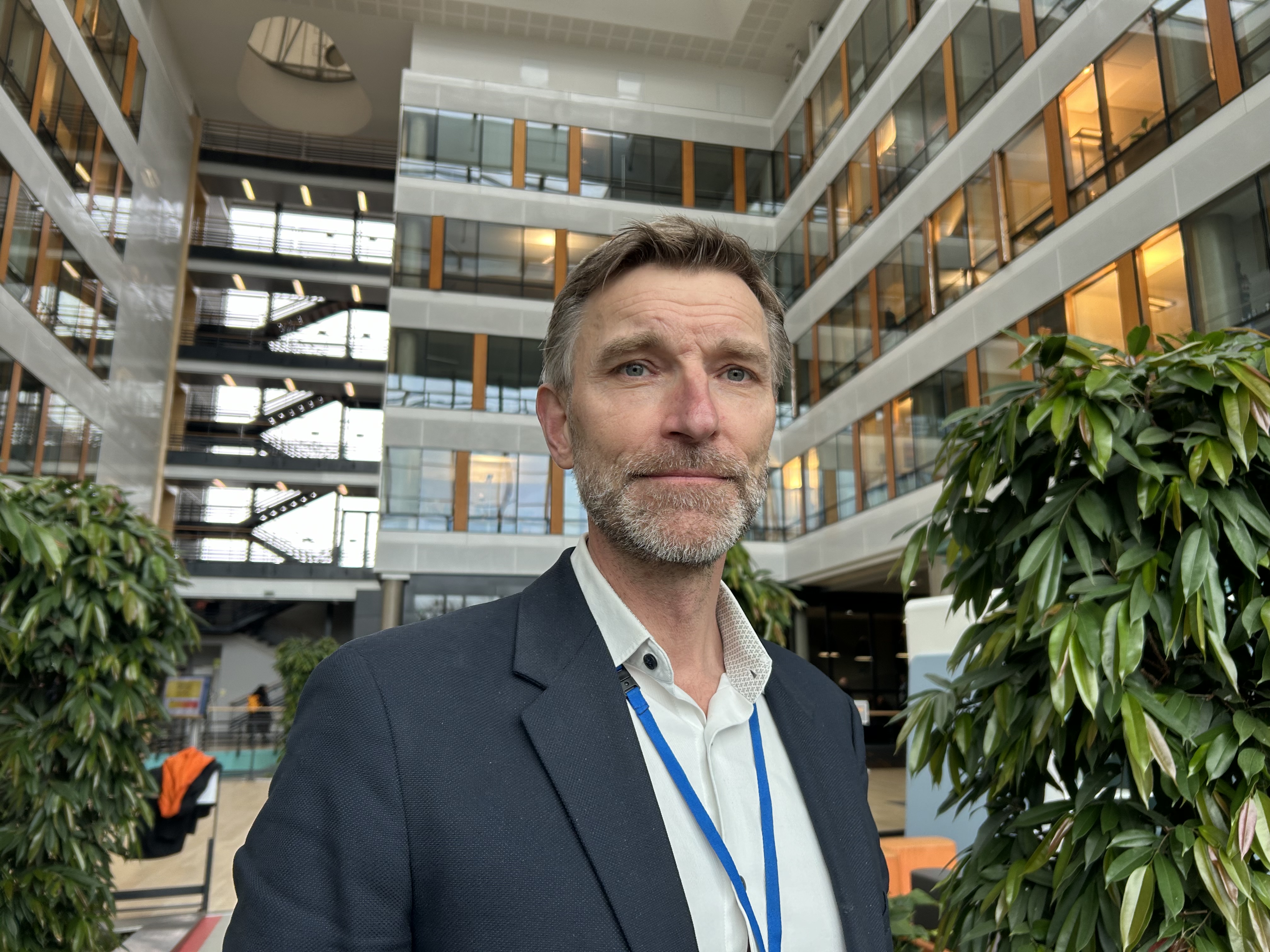
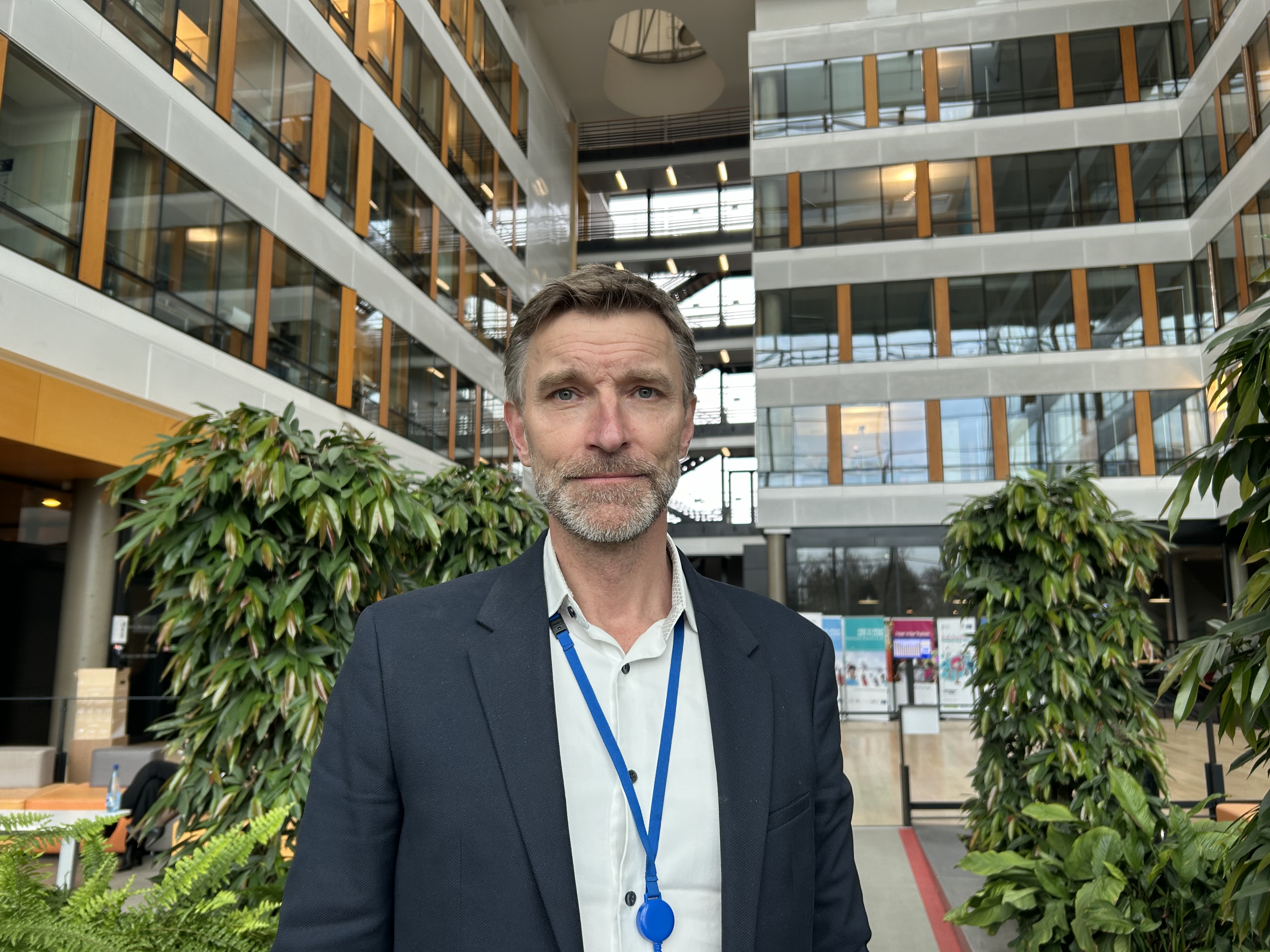
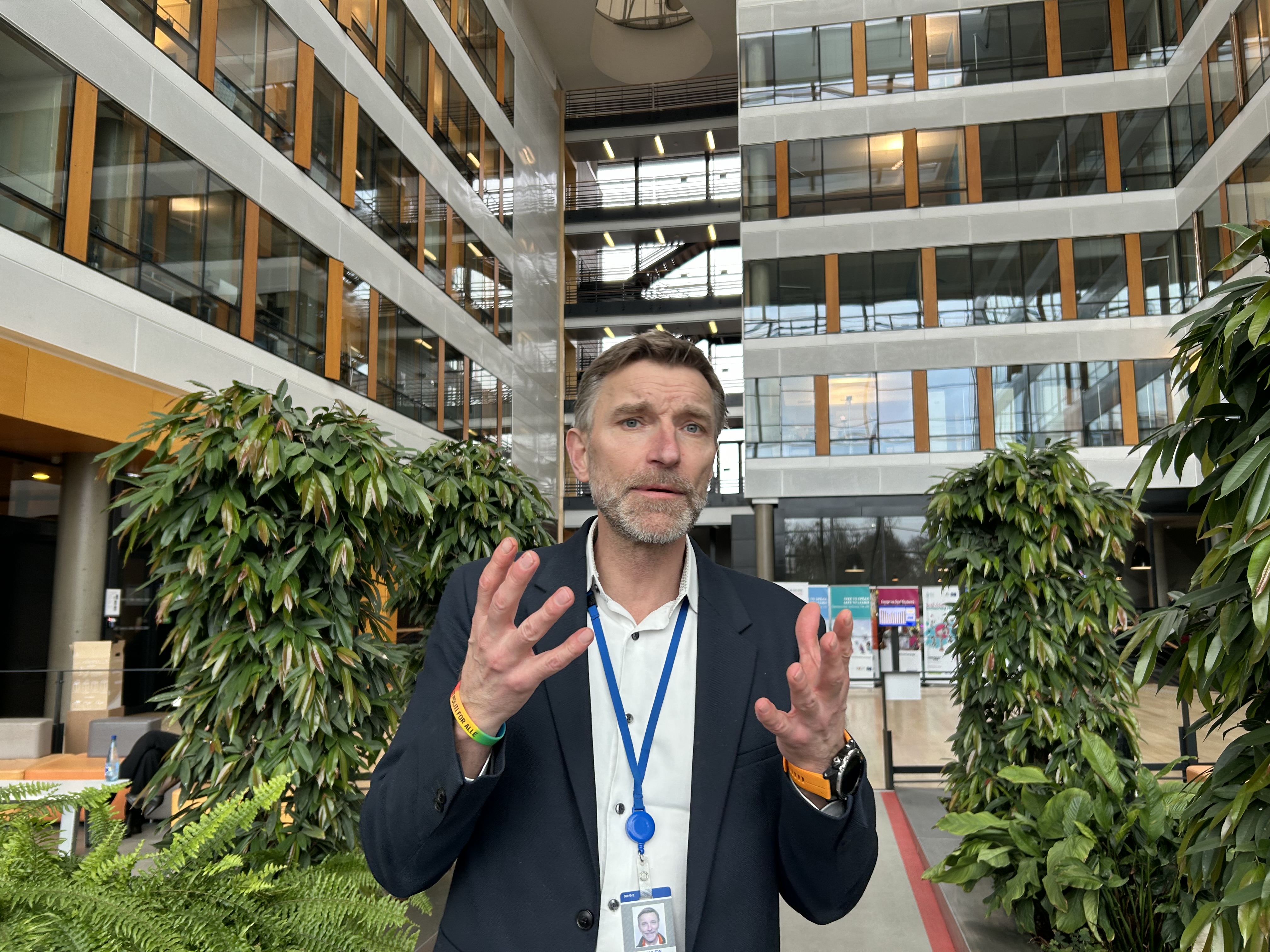
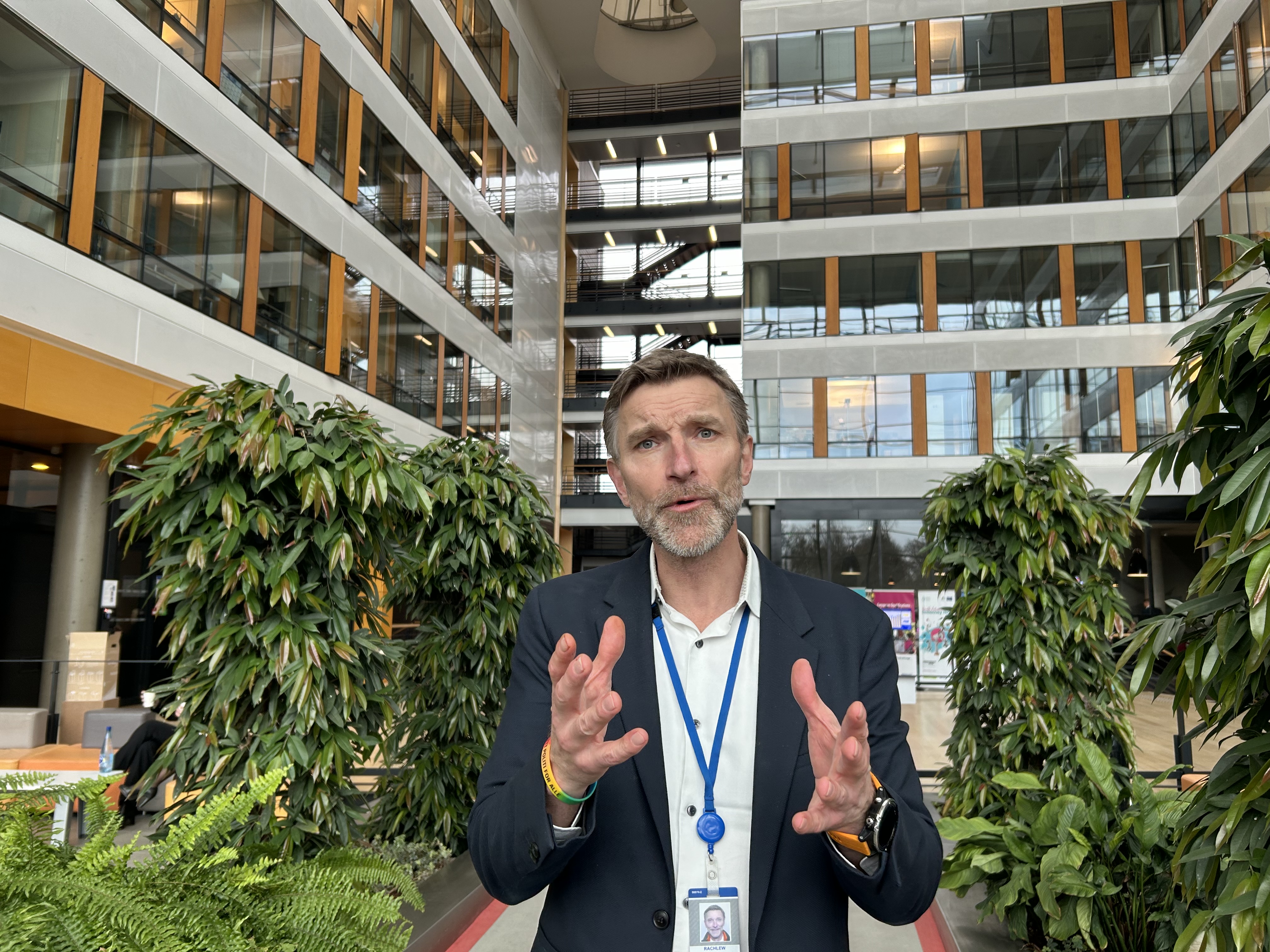
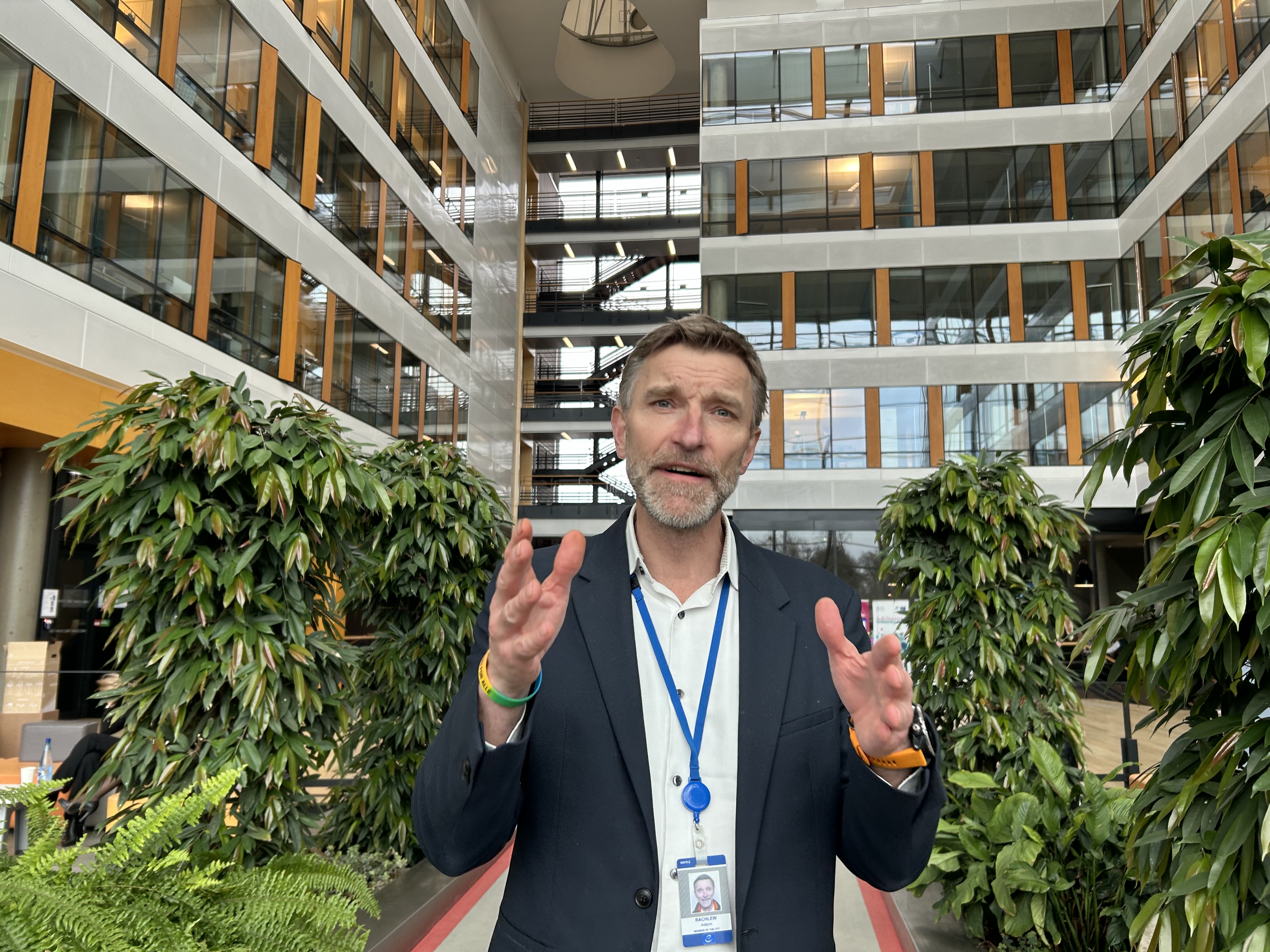
Detective Superintendent, Asbjorn Rachlew (PhD) is one of the most famous personalities among police officers in Europe. He combines his excessive practical experience with an academic approach to implement the technique of the Investigative Interviewing into the practices of the police services across the world.
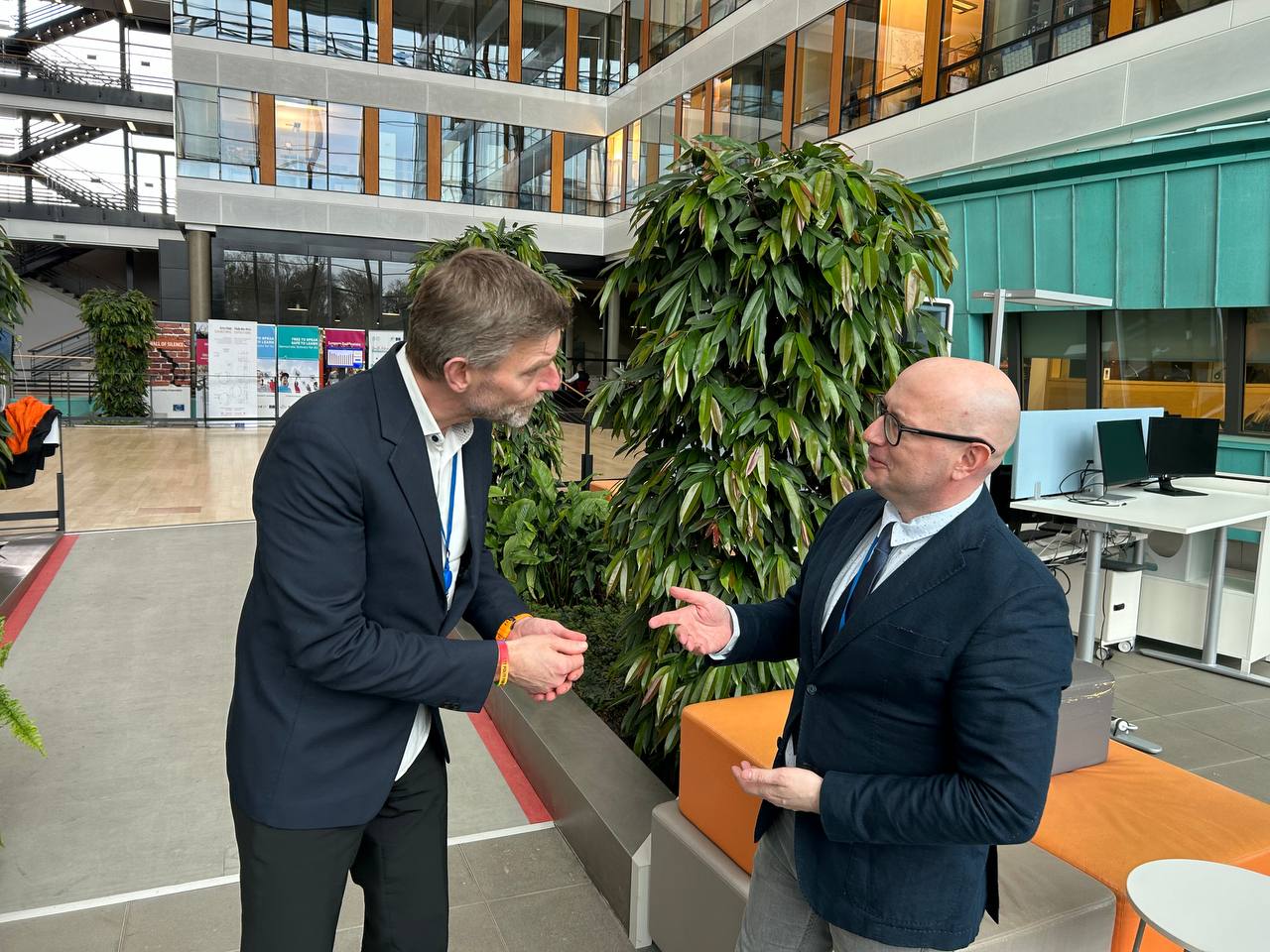
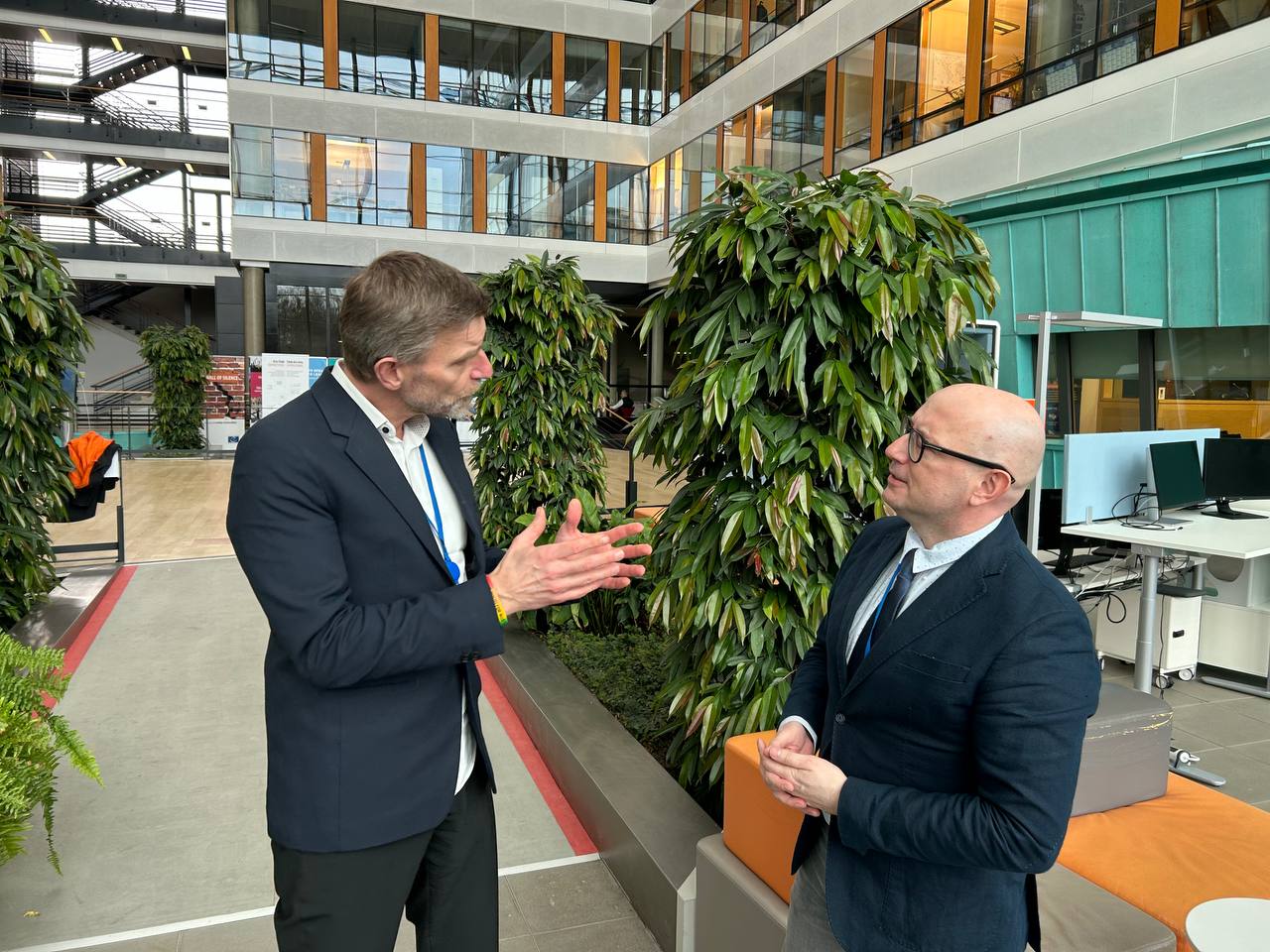
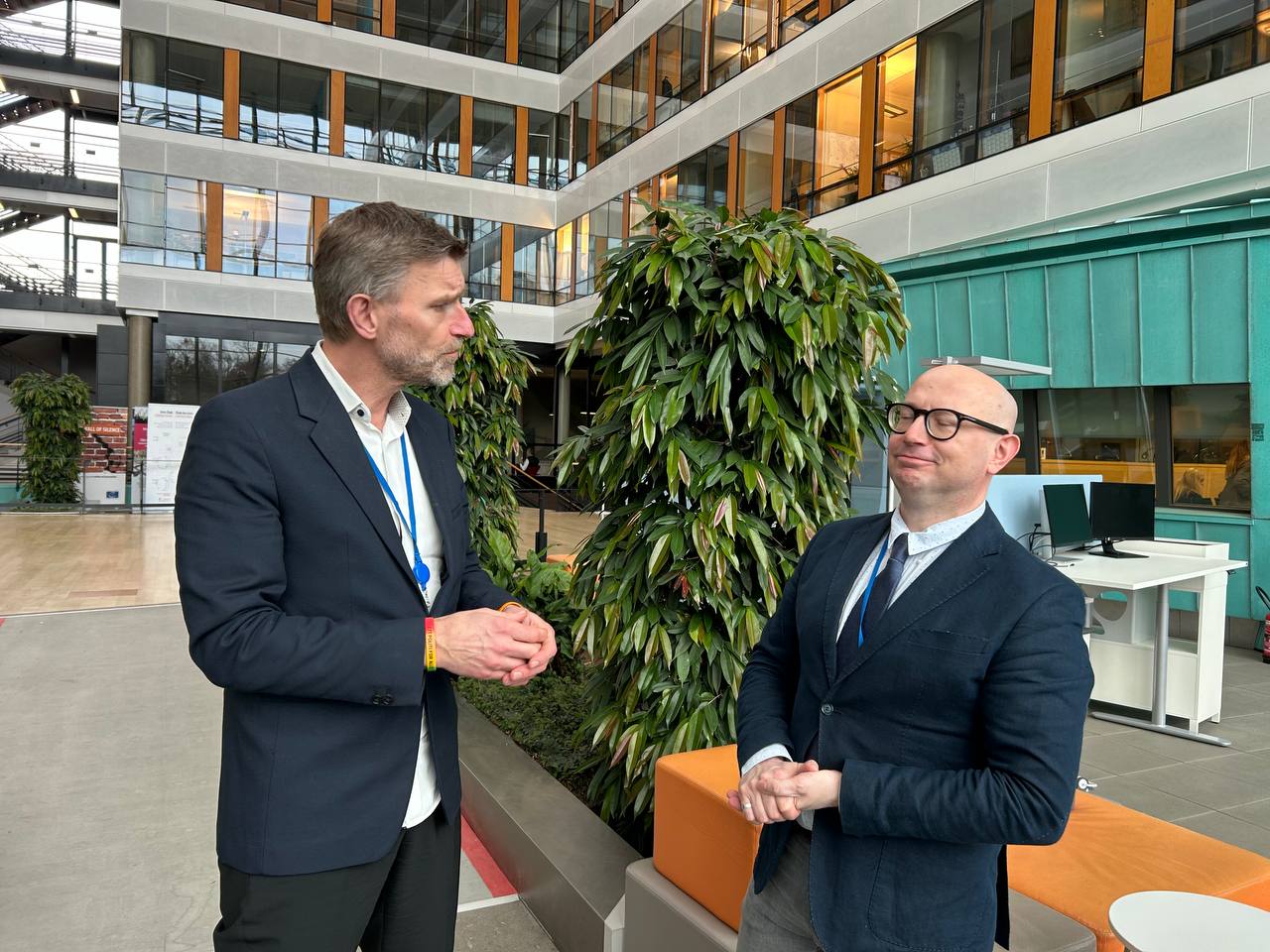
Today, we have an excellent opportunity to ask him several short questions about the new model, which is very promising both for the effectiveness of police activities and the protection of the human rights of persons detained in police custody.
What is Investigative interviewing?
Investigative interviewing is a non-coercive method for questioning victims, witnesses and suspects of crimes. Generally, investigative interviewing involves eliciting a detailed and accurate account of an event from a person to assist police and prosecutors decision-making.
This interviewing technique is ethical and research-based. It stimulates safe and effective gathering of evidence in criminal proceedings. The goal of an investigative interview is to obtain accurate, reliable and actionable information. The method aims at maximising the likelihood of obtaining relevant information and minimise the risks of contaminating evidence obtained in police questioning.
The method has been described as a tool for mitigating the use of torture, coercion and psychological manipulation, and for averting forced confessions and errors of justice leading to wrongful convictions and miscarriages of justice.
Traditionally, the main aim of an interrogation has been to obtain a confession from a suspect to secure a conviction. Thus, investigative interviewing contrasts pervasive interrogation techniques aimed at making the suspect break down and confess. The difference between these two approaches has led some authors to argue that the term “interrogation” should be scrapped altogether, as it is inherently coercive and aimed at obtaining a confession.
Much of the scientific base of investigative interviewing stems from social- and cognitive psychology, including studies of human memory, interpersonal communication and decision making theory The method aims at mitigating the effects of inherent human fallacies and cognitive biases such as suggestibility, confirmation bias, priming and false memories.
In the interim report dated 5 August 2016 to the UN General Assembly of the special rapporteur on torture and other cruel, inhuman or degrading treatment or punishment, the investigative interviewing method is presented at length as an example of best practice. Responding to the interim report, a Steering committee in close cooperation with its advisory board, consisting of more than 100 experts from all over the world, published a set of principles on Effective Interviewing for Investigations and Information Gathering- today known as The Méndez Principles (2021).
It should be noted that accusatorial models of questioning tend to be confession-driven and characterized by a de facto presumption of guilt and the use of confrontation and psychological manipulation. Common manipulative techniques are coercive in nature and likely to impair the free will, judgment and memory of interviewees. Threats, inducements, misleading practices, protracted or suggestive questioning and the use of drugs or hypnosis are examples of problematic practices. Demeaning or condescending comments or accusations based on individual qualities or cultural identities are also of concern.
Coercive techniques, even when not amounting to torture or ill-treatment, are means to the same ends, administered by State agents to confirm their presumption of guilt. They are likely to produce faulty information and give rise to conditions conducive to the use of torture or ill-treatment. Strengthening protection against coercive questioning methods and championing an interviewing model based on the principle of presumption of innocence are accordingly key to preventing mistreatment during questioning and enhancing authorities’ effectiveness.
What was the evolution of this model?
The term investigative interviewing was introduced in the UK in the early 1990s to represent a shift in police interviewing away from a confession-oriented approach and towards evidence gathering. The UK was the first nation to build a stronger relationship between the police and scientists.
Norway followed it 10 years afterwards.
Five years after that, in fact, in the other part of the world, New Zealand became the third country to commit itself officially to investigative interviewing.
Australia is certainly moving in the same direction.
The Netherlands are certainly moving towards investigative interviewing. Canada also, although Canada is still influenced by Northern American confession-orientated techniques.
Why is investigative interviewing important for contemporary police services?
Some States have moved away from accusatorial, manipulative and confession driven interviewing models with a view to increasing accurate and reliable information and minimizing the risks of unreliable information and miscarriages of justice.
Investigative interviewing models fashioned after the British model were subsequently adopted by other jurisdictions. Initially developed for criminal investigations, models of investigative interviewing can provide positive guidance for the protocol and be applied in a wide range of investigative contexts, including intelligence and military operations.
The investigative interviewing model comprises several essential elements that are key to the prevention of mistreatment and coercion and help to guarantee effectiveness.
Interviewers must, in particular, seek to obtain accurate and reliable information in the pursuit of truth; gather all available evidence pertinent to a case before beginning interviews; prepare and plan interviews based on that evidence; establish rapport with the interviewee; maintain a professional, fair and respectful attitude during questioning; allow the interviewee to give his or her free and uninterrupted account of the events; use open-ended questions and active listening; scrutinize the interviewee’s account and analyse the information obtained against previously available information or evidence; and evaluate each interview with a view to learning and developing additional skills.
The remainder of the present section provides an overview of some of these elements, on which the protocol should provide detailed guidance.
Open mindedness, impartiality and fairness are critical components of investigative interviews. They require officers to keep an open mind, even when the evidence against a person is strong. This stimulates an objective, impartial and fair interviewing process and hence, reducing the risks of resorting to confession-oriented techniques or coercion. It prevents eliciting false admissions or faulty intelligence. In criminal investigations, a fair police process will form the preparatory basis for a fair trial. Officers must remain professional and not allow their prejudices, preconceptions or emotions affect their performance during interviews.
Systematic and solid preparation increases the quality and likelihood of successful interviews. Conversely, insufficient preparation is bound to cause setbacks and creates risks that agents will resort to pressure or physical coercion to elicit information or confessions. Adequate preparation requires full knowledge of and compliance with applicable rules of procedure governing the conduct of interviews. To conduct the most effective interview possible, officers should, among other things, have clear knowledge and understanding of all information pertinent to the case, be fully cognizant of the legal definition of the offence under investigation and identify all potential evidence in the case file and every possible explanation of its origin. The preparation of a strategy and interview structure designed to best elicit information is also essential. Propper preparations allows agents to remain flexible throughout the interview.
The development and maintenance of rapport is also a crucial determinant of effective non-coercive interviews. Rapport can help to reduce the interviewee’s anxiety, anger or distress. It stimulates communication and hence, increasing the likelihood of obtaining more complete and reliable information. Rapport building techniques must not be used for the purposes of manipulation or to exert undue pressure to induce confessions, which would be incompatible with the purpose and spirit of the investigative interviewing model. The protocol should clearly set out the duty of interviewers to maintain a professional attitude and refrain from using any form of coercion during the entire interview process. It must also emphasize that interviewers ought to obtain the cooperation of persons questioned, rather than to demonstrate their authority or gain control over them, manipulate them or force them to comply with their wishes.
It is recommended that interviewers begin each topic by asking open-ended questions and allow the interviewee to provide a free and uninterrupted account of the events under investigation. Contrary to complex, leading or compound questions, open-ended and neutral questions encourage memory retrieval and are less likely to induce statements against a person’s will, influence his or her account or contaminate his or her memory. Broad and open-ended questions will enable innocent suspects to provide information freely, while preventing guilty suspects from constructing false explanations.
As a matter of best practice, interviewers are encouraged to proceed, when necessary, with probing questions designed to elicit information that will test all possible alternative explanations identified during the preparation of the interview. Strategic probing and disclosure of potential evidence allows officers to explore the interviewee’s account in depth before proceeding to the next topic, helping to ensure that the presumption of innocence is respected while strengthening the case against a guilty suspect by preventing the subsequent fabrication of an alibi. Although interviewers may be persistent with their line of questioning when probing the interviewee’s account, questioning must never become unfair or oppressive.
The same guiding principles should apply to interviews of witnesses, victims and other persons in the criminal justice system. The protocol must additionally regulate objective, fair, human rights based, non-coercive and rapport-based intelligence interviews during intelligence and military operations. Research and experienced practitioners with knowledge of Investigative Interviewing agree that ethical information gathering approaches similar to those employed in the criminal justice system lead to greater information gains and offer a more effective model than coercive intelligence interviewing.
Would it be possible to implement such a model in Ukraine?
I have done training and teaching in Asia, including Vietnam, Indonesia, Thailand, and China. We see that in their police academies, they see that this is the direction they want to go. I am not saying that investigative interviewing is dominating all interactions between the Asian police and its people. However, they have started to understand that they should change.
Other countries, like Scandinavian countries and some other European countries, certainly have adopted many of the ideas, but what I have recently seen at international conferences on investigative interviewing is that quite a few of my colleagues say: “We are doing investigative interviewing“. But when I look at their methodology, I see that, yet they start off with investigative interviewing, and then they do a bit of interrogation, and then they go back to investigative interviewing. However, that is not investigative interviewing. Such an compo-approach is not the change of the mindset that we are referring to. I mean, that trick has been in the book for years – playing good cop, bad cop etc. The mindset of the detectives with such combo-approach remains the same – how to make suspects confess. They just use more manipulative, more subtle ways of seeking for their confirmation.
Investigative interviewing requires a change of mindset. In CPT Standards from 2019 this change is referred to as a paradigm shift within policing.



 Dmytro Yagunov
Ви маєте увійти, щоб оприлюднити коментар.