
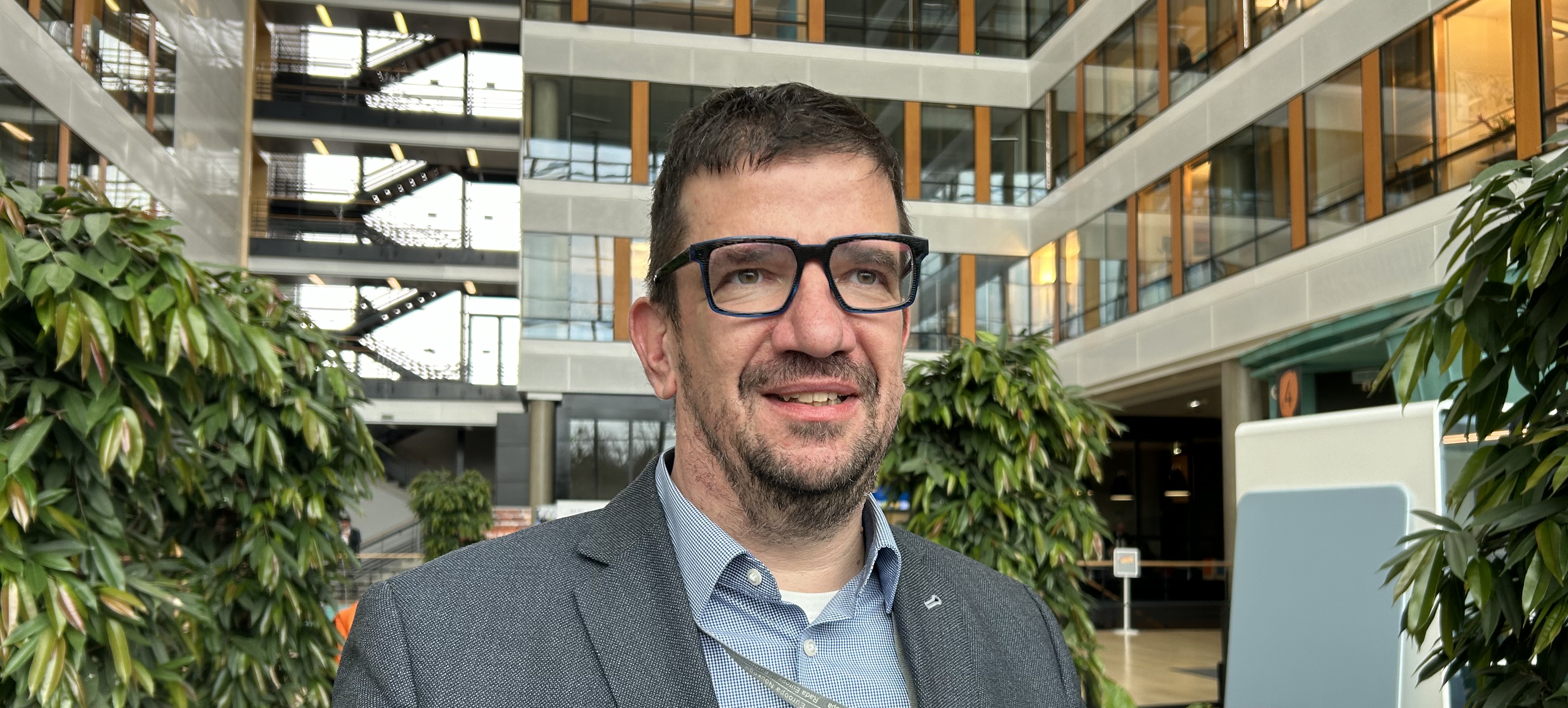
We are pleased to present a short overview of the genealogy of prison hierarchy in Hungary in the 1980s by Gergely Fliegauf.
He is a well-known criminologist and psychologist. He is a former Head of OPCAT NPM Department, Office of the Commissioner for Fundamental Rights.
Previously, Gergely Fliegauf also used to work as a senior officer at the Hungarian Prison Service (a prison social worker (educator) and psychologist at Budapest Medium and High Security Prison).
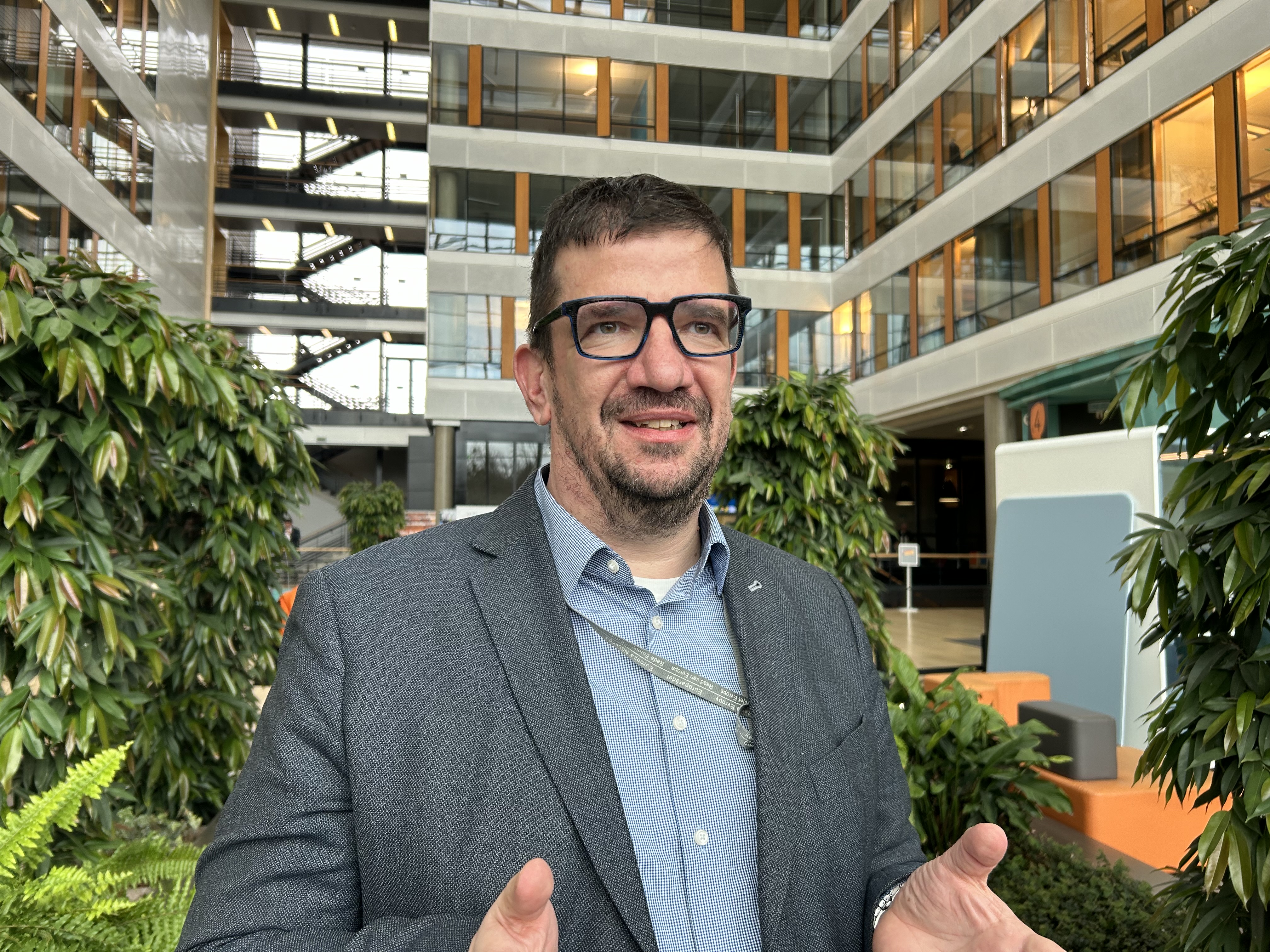
DY: We talked a lot about the prison hierarchy. In what ways do you think the situation in Hungary differs from the conditions in the former Soviet states?
GF: In the Hungarian prisons, perhaps in the early eighties, a special subculture developed, spread by the children in the former foster homes. These young children suffered in the state-owned orphanages, and escaping from them, they committed petty crimes. After entering the juvenile prisons, they have continued the bullying methods they learned in the orphanages from older boys and – sadly – also from some staff members. I would certainly go back that far in terms of its development. And I don’t know the current situation because I left the prison service in 2014.
DY: What characterised this subculture?
GF: First of all, it was formed among juvenile prisoners and was quite different from the previous anti-establishment – anti-communist – prison associations. At the same time, the violence that maintained this hierarchy resembled the school initiation rites that can be read about in several older Hungarian or Austrian books (e.g. Ottlik: School at the Frontier; Musil: Die Verwirrungen des Zöglings Törleß).
In the Hungarian prisons of the 1980s, this was embodied in the creation of different roles in the prison hierarchy, in a manner similar to that of Gresham Sykes.
In Hungarian prisons, the lord of the cell was the menő (tough), he had the ownership of all the saleable items in the cell. Of course, we are not talking about rights declared by law. The menő also had unlimited control over the freedom of the persons in the cell.
The allies of the keeper were the spans, who had to share everything with the menő, and the menő protected them. At the same time, the spans carried out the orders of the men, even in the form of violence. The meaning of “span” is more complex than that, but let me talk about the other characters.
There were also pseudo-toughs in the cell, who could take the place of the menő the moment he left the cell. The pseudo-toughs could pretend to be menő by moving to another cell or community, until they were busted.
In the same community of 10 to 15 people, there were also slaves (“csicska”) who had to do the most menial jobs and resembled untouchables, but they did not suffer the extreme humiliation like in the post-Soviet states. The csicska could even be traded with.
The community also included a group of fags (“köcsög”). They were those who refused to be a csicska and instead provided sexual services in exchange for their safety. There were almost no expectations of their appearance as there were in America. They didn’t have to grow long hair, they didn’t have to be feminine. They had to provide oral and anal services and massage. Csicska also had to give massages to a menő.

DY: You mentioned that the spans had other functions.
GF: Yes, it wasn’t just the menős who had spans, but also the csicska and even the köcsög. The main feature of the relationship was that they had to share everything. Food, clothes, even the outside social network. The spans were in an equal relationship with each other.
DY: Did homosexual relationships exist?
GF: The menő who took part in the exploitation of fellow prisoners was called a bull (“bika”). There was no sexual attraction or reciprocity between köcsög and his bull, just a demonstration of power and dominance. Behind everything was a system of humiliation or degrading. There were transsexual women who either suppressed their identity or not.
There were also a small number of transwomen in male prisons who were also transvestites. They used various tricks to maintain a feminine appearance, such as mixing dyes from wall paint or paving dust with creams and applying make-up. They bleached their hair with lye. They would get bras in which they would put condoms filled with lukewarm water to make them appear to have real breasts. They were transgender women in today’s terms.
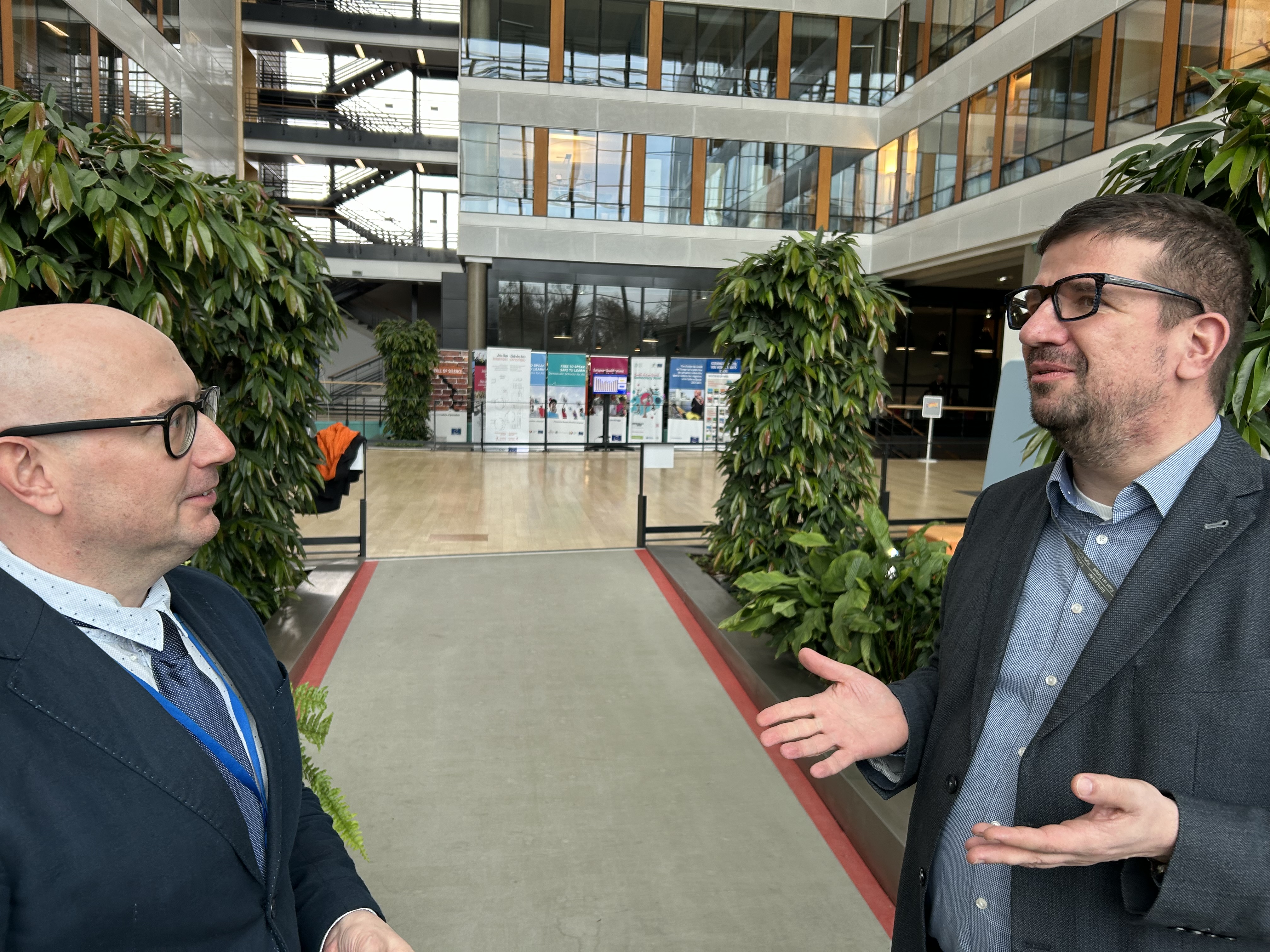
DY: Were there other players in the hierarchy?
GF: Yes, the vamzer (informant or prison snitch). They were the people who passed information between staff and prisoners or between different groups of prisoners. In Hungarian prisons, there were not as many gangs as in America. Yet people from the same place protected each other and could count on each other for support. They were called hoodies (“földik”).
DY: How did the földi get together?
GF: I think this is one of the most repulsive segments of the former Hungarian prison system. The földi looted their fellow prisoners. It usually started by being very friendly with the prisoners who came to the cell without any allies, and serving them. The unfortunate victim, opened up and told them a lot about himself. The földi then was asked for small favours in return, which later turned into the collection of protection money on the outside, between the victim’s relatives and the perpetrators’ relatives. Sometimes there were forced card parties in the night where victims lost their cars, their houses or, in extreme cases, their daughters’ virginity. You can see how crude this system was. These networks worked perfectly during the transfers to other facilities, there was no escape. The name of the transport cells was ‘churma’ (“csurma”), which I believe comes from the Russian word for prison. This was where the looting happened most often.
DY: Where did the vamzers rank in the hierarchy?
GF: If they were clever, at the very top, if not, at the very bottom, and in some cases they became real untouchables. This even meant that they could not be in the same room or eat at the same table, as in the post-Soviet states. But it was rare.
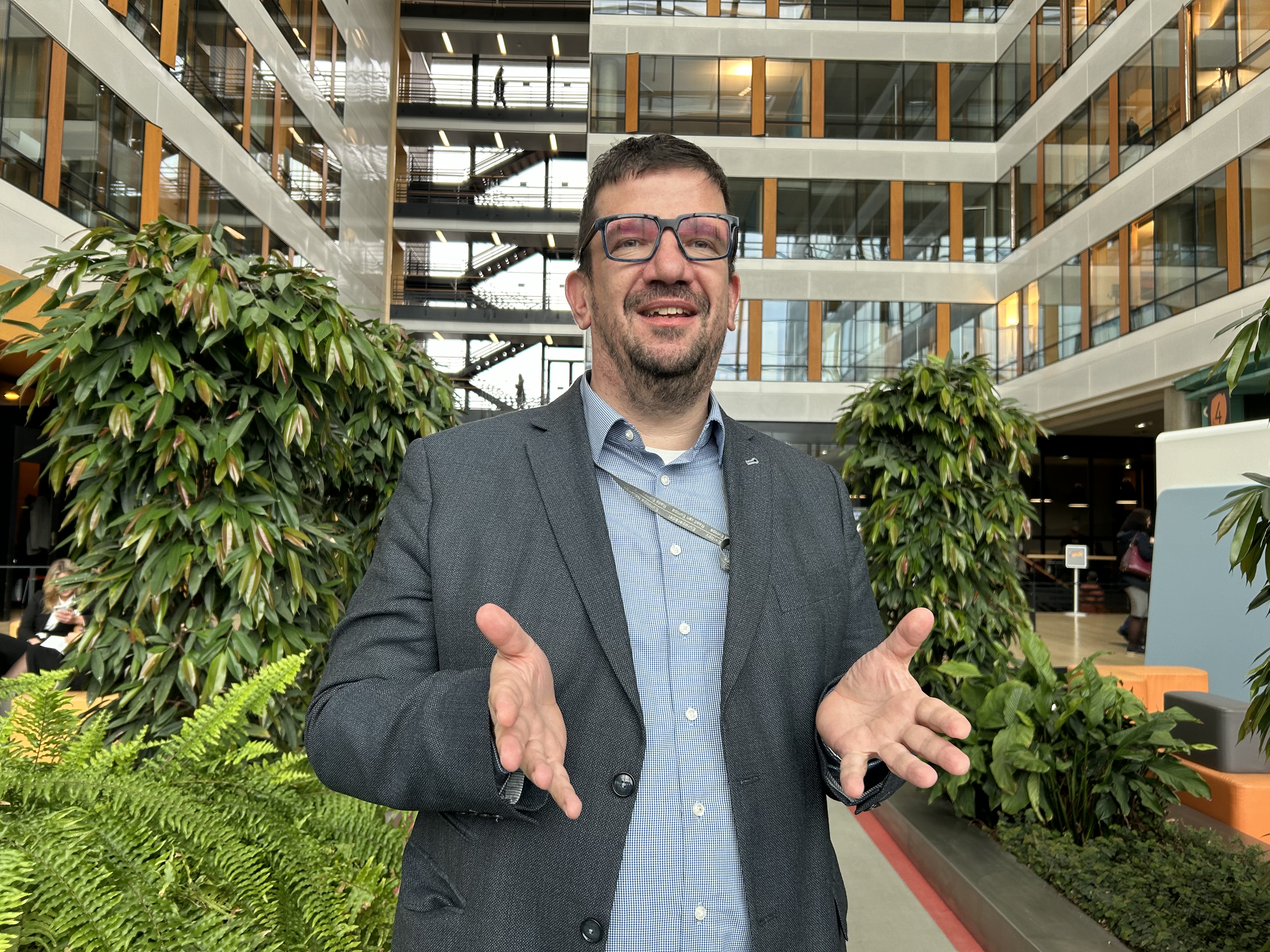
DY: What happened to sex offenders?
GF: The menő felt that child molesters had to be punished and were treated in the most brutal way possible, but even so they were not accorded the status of untouchables. They were extremely despised, beaten, tortured and tormented. Sometimes the only defence was for the sex offender to smear themselves with faecal matter so that they could not be touched.
DY: Was there no other way? Was there no way to talk to the staff?
GF: Anyone who shared these things with the guards was treated even more harshly and considered a vamzer. There was another strange method of self-harm in the eighties. It was called the umbrella (“esernyő”). A desperate prisoner would take some safety pins, wrap them in twine, tie the contraption to a piece of rope and swallow it. The stomach acid bit the twine and the fuse pins popped out in his stomach. If jerked, it could cause a serious stomach haemorrhage, which was life-threatening. That, and the self-cutting, was a way of escaping card-lost terror for a while.
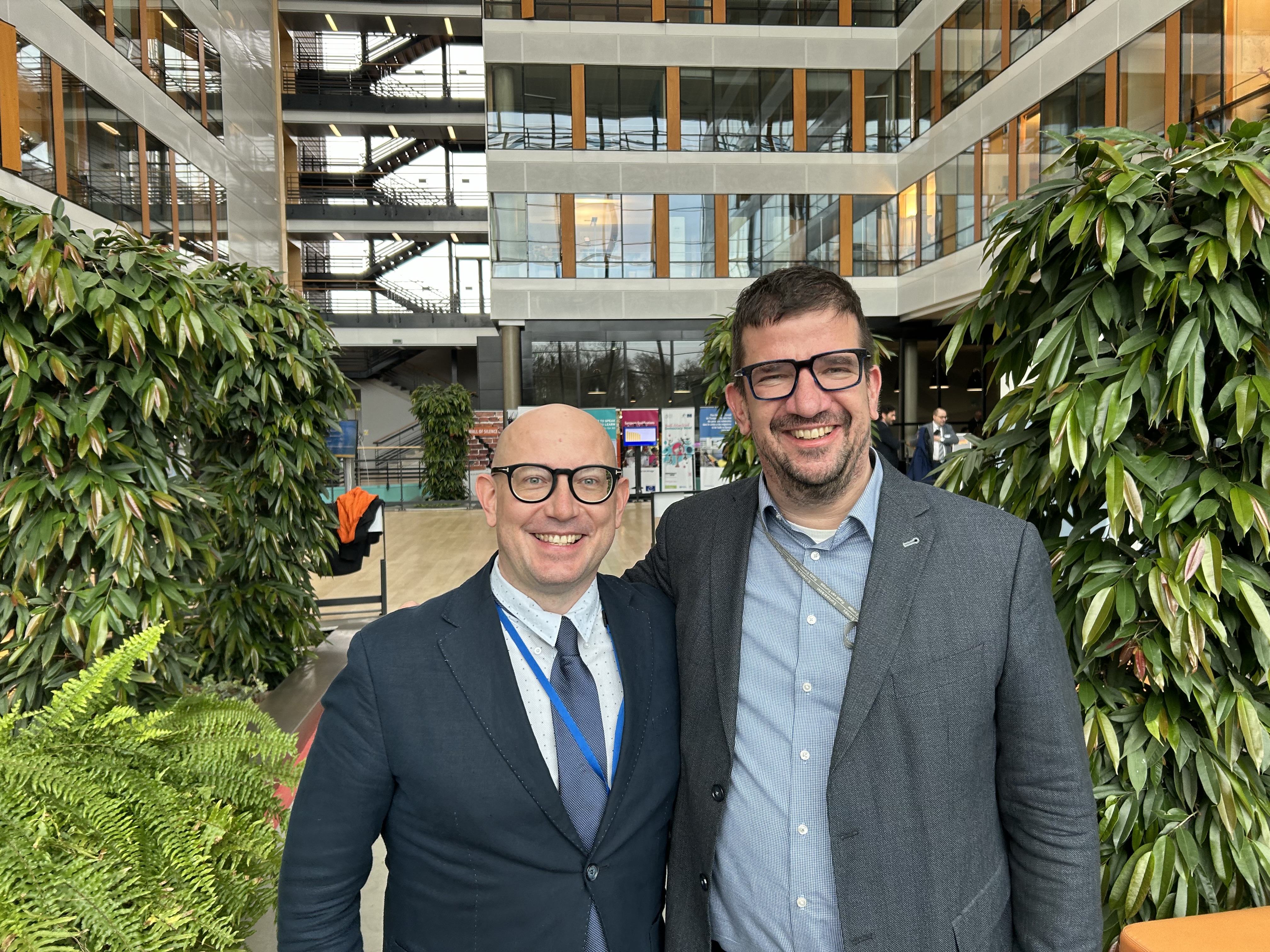
Thank you very much for this insight into the peculiarities of the Hungarian prison subculture, dear Mr Gergely!

 Dmytro Yagunov
Ви маєте увійти, щоб оприлюднити коментар.